

Filing your court papers
Where to file
If these are the first papers filed in a case (you're starting the case), first decide which county you need to file in ("venue"), and then you can use Find my court ️ (link opens in a new tab) to get information about where to file in that county.
If you're filing a document in a case that’s already been started, file at the same court with the same case number.
How to file
You can file:
- in person
- by mail
- If you file by mail, include a self-addressed stamped envelope with enough postage so the clerk can mail the copies back to you.
- Include any filing fee or a fee waiver, if required.
- in many courts, also online (called e-filing), by fax, or by drop box
- Check on the court's website ️ whether or not it allows e-filing or fax filing or if they have a drop box.
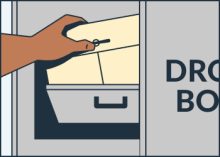
If you use a drop box, make sure all the originals and any copies are secured together (with a clip or in an envelope) and that you've included any filing fee or fee waiver if required. If you don't want to have to go back to court to pick up the filed copies, also include a self-addressed stamped envelope with enough postage for the copies to be mailed back to you once the clerk files them.
What you file
File the originals. Also include any copies you're filing, unless you're e-filing or filing by fax. Include any payment or a fee waiver ️, unless what you're filing doesn't require a fee. Find the court fees ️.
Who can file
Anyone 18 or over can file the forms. You do not need to file them yourself.
It may be helpful to avoid delays if you can file the papers yourself:
- You can fix any errors on the spot if the clerk points them out
- If you forgot to sign somewhere or did not include a local form, you could sign and fill out the form.
- If you are getting a court date, you may be able to have a say about which court date works best for you.
- If there are fees you don't know about, or your fee waiver is denied, you will be able to fix it or pay the extra fees right away.
- If you have a question about your next steps or need to correct something in your filing, you could go directly to the court's self-help center ️ for help.
Paying filing fees
If you're required to pay a fee to file your papers:
- you have to pay at the same time that you file the forms papers, or
- you can ask for a fee waiver ️ and file the fee waiver with your other papers
- If you asked for a fee waiver, a clerk or judge will decide if you qualify
- If you don't qualify, the court will ask you to pay later (usually within 10 days)
If you are not sure if a fee is required, check the court fee ️ schedule or ask the clerk.
To pay:
- Most courts accept cash, credit cards, money orders, cashier’s checks, and personal checks
- Make your check out to, “Superior Court of California, County of ______” and write the county name where you will be filing your forms.
- If you are filing online, you’ll pay by credit card when you file.
- Contact your court ️ for more information about what type of payments they accept.